Real community for men starts here. Come for honest conversation and shared experiences. Build deeper friendships, grow alongside other men, and live with more connection and intention.
Come as you are.
Start free. Join an open circle or welcome experience.
Online and in person. Choose what fits.
Peer support. Personal growth in good company.
An online community. Between gatherings too.
What would help right now? Choose what interests you. We’ll help you find a gathering, explore the community, or share MenLiving with someone else.
Drop in to talk or listen I want a free, low-pressure conversation where listening is enough. Explore a shared experience I want to go deeper around something I’m living through or working on. Meet in person I want to explore in-person gatherings and see what fits. Drop into the online community I’d like to look around before attending a gathering. Share with a loved one I’d like to introduce someone I care about to MenLiving. Interested in the Expanded Circles? See what’s included
Is MenLiving right for me? MenLiving is for men willing to listen, reflect, and do their own work alongside others.
You may feel at home here if
You want to grow in good company. You’d like honest conversation and time to reflect. You can listen without immediately advising or fixing. You are willing to speak from your own experience. You will treat other men with dignity, privacy, and respect. This is not the right setting for
Advice, persuasion, or clinical care. Telling other men what they should think or how they should live. Unsolicited expert advice, diagnosing, or trying to fix someone. Disregarding shared agreements or another man’s privacy. Professional therapy or immediate mental-health support. Sound like you? Find your starting point
How we practice
Listening We listen without rushing to judgment.
No fixing No advice giving and no fixing.
Speaking from experience We speak from our own experience.
Privacy What is shared here is treated with care.
Dignity Every man is treated with dignity and respect. For partners, family and friends
Opportunities for all genders. All Humans’, Caregiver, and Neurodivergence circles welcome people of all genders. Explore a circle for yourself, or find a gathering to share with a partner, family member, or friend.
How to get involved
Stories & podcast Stories and long conversations from the men who facilitate and attend these circles. Read or listen — no account needed.
S5 · E19 Sep 8, 2026 1 hr 17 min
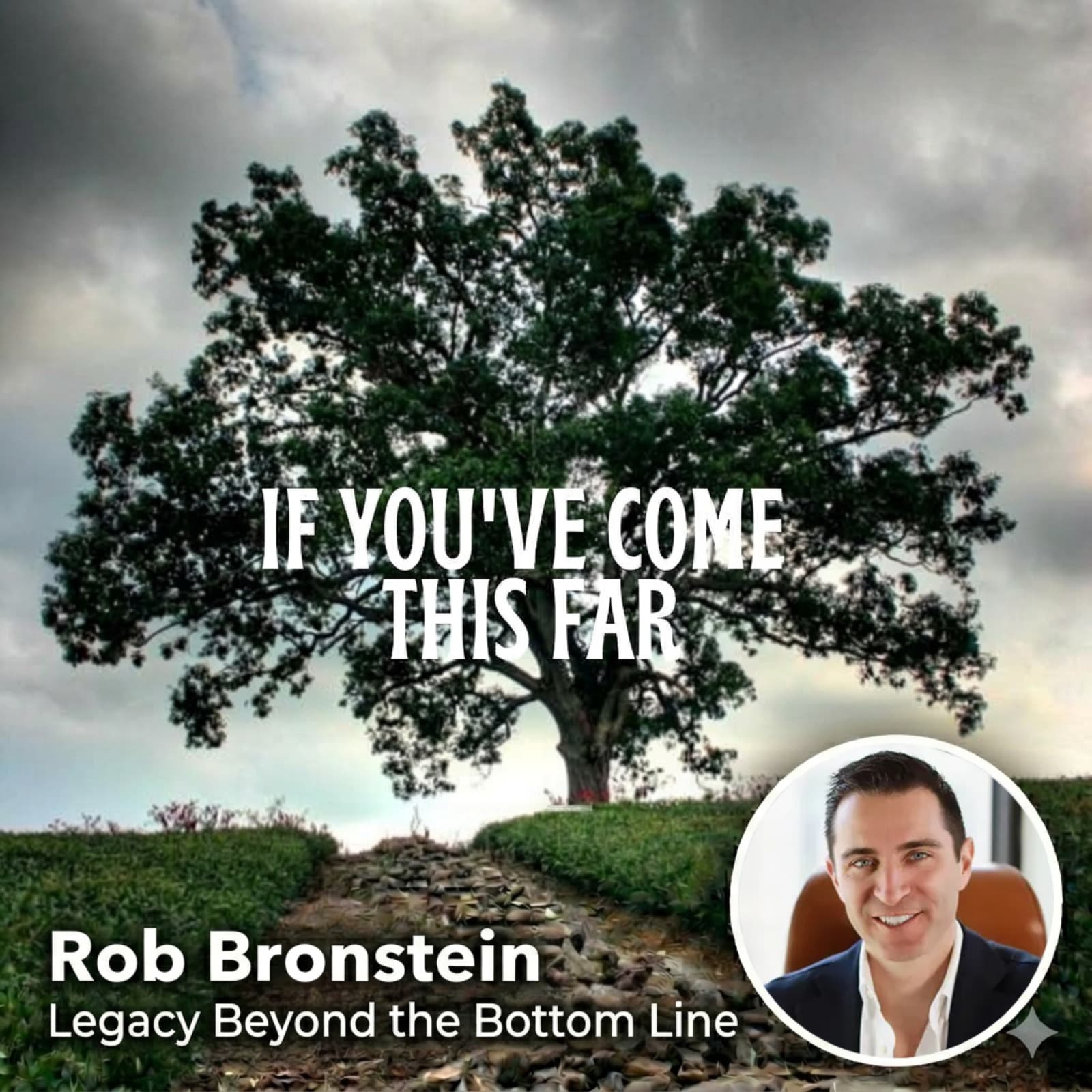
Rob Bronstein, Founder and President of The Scion Group, joins Shaun Emerson and Chris Lozier for Episode 99 of If You've Come This Far . Beginning his real estate…
All 99 episodes
Mike Rosen August 31, 2026 2 min read
I’m about halfway through the audiobook version of Matthew Quick’s memoir titled ‘Dad, Love, Me.’ You may recognize the author as he wrote ‘ Silver Linings Playbook , which was made into a popular movie starring Bradley…
All stories
Free gatherings in the next seven days. These gatherings are free. Use a free community account to RSVP. Each listing shows the gathering’s time zone.
Wednesday, September 23 12:00 PM CDT , Wednesday, Sep 23, 2026, Central Daylight Time
Connection Circle Online
Free RSVP in the MenLiving community — Connection Circle, opens in the MenLiving community
6:00 PM CDT , Wednesday, Sep 23, 2026, Central Daylight Time
ML 101 Circle Online
Free RSVP in the MenLiving community — ML 101 Circle, opens in the MenLiving community
See this week’s free circles